October 27, 2022 •
Digital News, Media and Politics, Recent •
by David Lindner
Media experts examine whether the cooperation between journalists and activists is useful or whether it compromises sacred journalism values. ...
Read article
June 10, 2019 •
Newsroom Management, Recent, Specialist Journalism •
by Tina Bettels-Schwabbauer
“‘Bye-bye lone wolf’ is the current motto, as journalism steps into the networking society and as cooperation and collaboration become regular work methods”, German-Danish journalist-scholar Brigitte Alfter emphasises in her new...
Read article
April 17, 2019 •
Censorship, Ethics and Quality, Media and Politics, Recent, Technology •
by Philip Di Salvo
During the past decade, whistleblowing has come to the fore as an important lever for achieving change in today’s democratic societies. WikiLeaks, Snowden and the revelations about Cambridge Analytica have not only confirmed the key role...
Read article
February 3, 2014 •
Press Freedom •
by Stephan Russ-Mohl
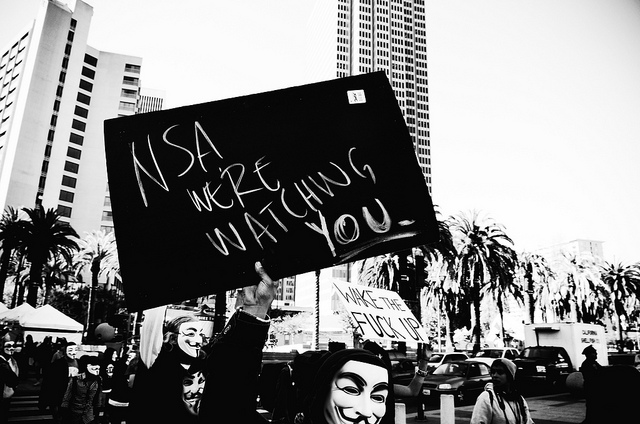
At a first glance, president Obama’s recent speech about the NSA seems to support arguments by Dan Gillmor, one of America’s most prominent Internet gurus. He believes that the fallout from the information leaked by Edward Snowden...
Read article
June 5, 2013 •
Press Freedom •
by Philip Di Salvo
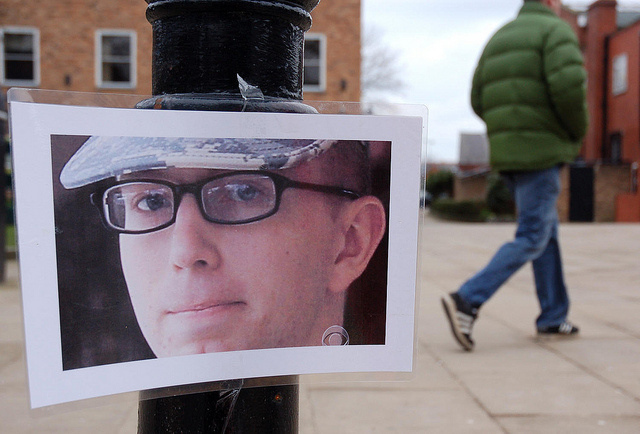
Private Bradley Manning appeared in court this week for his role in releasing confidential information to Wikileaks in 2010. He has been held in prison without trial for over 1,000 days. His Martial Court trial, which began on June 3, 2013...
Read article
February 18, 2013 •
Digital News •
by Kate Nacy
According to Bernd Kramer, a journalist for the German daily Tageszeitung (taz), university financing isn’t a particularly hot and contentious topic in the German media. Yet in certain unscrupulous cases, the co-mingling of research and...
Read article
February 11, 2013 •
Ethics and Quality •
by Philip Di Salvo
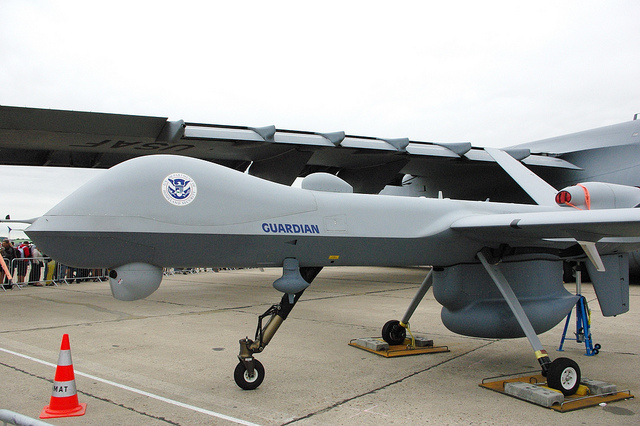
Yemen, Somalia, and Pakistan are countries where silent and almost unknown war activities are conducted. There are no humans on the ground and no traditional piloting of aircrafts or tanks. Instead U.S. Army drones, or remote-controlled...
Read article
January 18, 2011 •
Specialist Journalism •
by Liga Ozolina
The European Journalism Observatory is pleased to announce the latest addition to our network of partners, EJO Latvia! With the help of Ainars Dimants, Associate Professor of Journalism and Communications Research and Liga Ozolina, PhD...
Read article
January 9, 2011 •
Digital News, Ethics and Quality •
by Natascha Fioretti
Lessons to learn from 2010. In the end, Julian Assange was not named Man of the Year by TIME magazine. Yet there’s no doubt 2010 will be remembered for the Wikileaks controversy and the resulting upheaval in the media. Particularly...
Read article