November 13, 2015 •
Public Relations, Short stories •
by Stephan Russ-Mohl
Two workshops took place in Berlin recently. Their aim: to bring together researchers and media practitioners to debate the issues that journalism faces today. The conclusion: journalism is facing a brain drain as professionals jump to the...
Read article
July 25, 2014 •
Digital News, Public Relations •
by Stephan Russ-Mohl
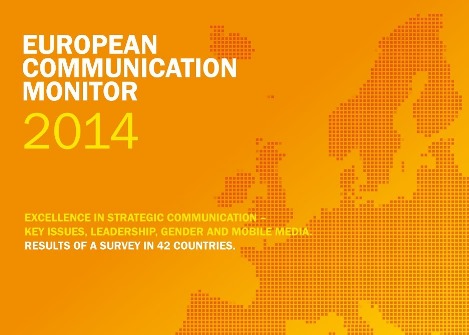
Traditional media has become less relevant to public relations professionals, according to a new survey of European communications specialists. Most respondents said they prefer to convey their message using mobile online channels or via...
Read article
February 27, 2014 •
Public Relations •
by Evgeniya Boklage
Wikipedia was launched in 2001 and has become one of the most visited sites on the web. Journalists and researchers know that they should not rely on information it provides, but the temptation to use it occasionally is strong. A report by...
Read article
November 12, 2009 •
Business Models •
by Stephan Russ-Mohl
Message, 3/2009 In the mid-90’s, Mark Willes introduced controversial structures to rescue the Los Angeles Times, yet in the end arduous opposition brought him down. Had his strategy been implemented, however, today’s crisis may not be...
Read article
November 5, 2009 •
Media Economics •
by Stephan Russ-Mohl
Schweizer Journalist, Nr. 10 + 11/2009 American journalism is in a “protracted moment of painful change,” and “both its business model and its sense of mission are in full retreat.” How might journalism regain its relevance, asks...
Read article
June 4, 2009 •
Media Economics •
by Stephan Russ-Mohl
Die Furche, May 28, 2009 In his latest book, American media activist Robert McChesney envisions a dark future for American newsgathering. The author devises a U.S. government demanding “the reduction of international reporting, the...
Read article
August 30, 2008 •
Ethics and Quality •
by Cristina Elia
Neue Zürcher Zeitung, August 22, 2008 Swedish Television is opening its doors to all TV viewers: genuine transparency, clever PR stunt or simply another reality show? All over the world, the media are striving to diminish the distance...
Read article