September 11, 2018 •
Comment, Newsroom Management, Recent, Specialist Journalism, Technology •
by Alexandra Borchardt
Artificial Intelligence can do a lot to improve life in the newsroom, but journalism is exactly about the type of choices computers are unable to make, argues Alexandra Borchardt....
Read article
March 22, 2017 •
Ethics and Quality, Recent, Research •
by Marisa Torres da Silva
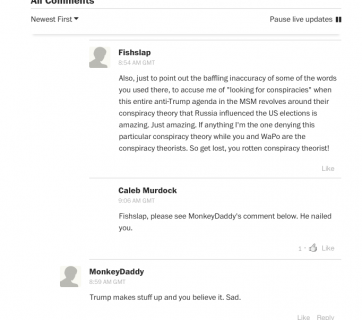
Online comments, still the most widely-used medium for audience participation and public engagement in mainstream news websites, continue to pose complex challenges to newsrooms. Concern about the poor quality of comments – whether...
Read article
May 26, 2016 •
Latest stories, Media and Politics •
by Abdelkrim Hizaoui
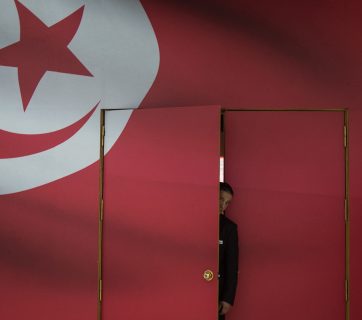
In the aftermath of the ‘Arab Spring’, two Maghreb countries are developing different styles of press regulation. In Tunisia, the outcome is likely to be a self-regulated Press Council, whilst in Morocco the project is implemented by...
Read article
March 3, 2016 •
Ethics and Quality, Research •
by Caroline Lees
Media in Britain – particularly broadcast media – is failing to represent, or relate to, minority audiences, according to new research. BBCs One and Two are perceived as the ‘whitest’ channels, with minority...
Read article
February 29, 2016 •
Media and Politics, Recent, Research •
by Susanne Fengler Marcus Kreutler Tina Bettels Schwabbauer
Important pan-European news stories, such as the Ukraine crisis, are often overlooked by Europe’s media – including the quality press – according to new research. A comparative analysis of the conflict in Ukraine, conducted...
Read article
December 8, 2015 •
Media and Politics, Recent •
by Halyna Budivska
Media in Ukraine has become a pawn in the game between different political forces, a new study concludes. And audiences have noticed: recent months have witnessed a sharp decline of public trust in the media. This crisis is only likely...
Read article
December 3, 2015 •
Media and Politics, Short stories •
by Lambrini Papadopoulou
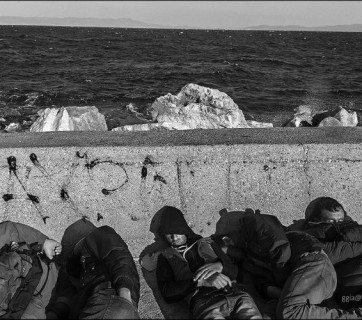
Europe’s migration crisis has transformed Greece into something more than just a transit country. Countless journalists from media all over the world have travelled to the islands and the borders to witness the arrival of nearly 700,000...
Read article
October 27, 2015 •
Digital News, Ethics and Quality •
by Michael Haller
Let me take you back to 3rd December 2013: Alan Rusbridger, editor-in-chief of The Guardian, testifies before the House of Commons’ Home Affairs Committee. It was to become a tense 78-minute interrogation on his newspaper’s decision to...
Read article
October 26, 2015 •
Latest stories, Specialist Journalism •
by Ian Hargreaves
The UK’s hyperlocal (community) journalism scene has long provoked strikingly contending judgments. Doubters see it as amateurish, fragile and of little relevance to ‘real’ journalism. Supporters believe it has already built the base...
Read article